
If you’ve been feeling spiritually overwhelmed—wired, porous, emotional for no obvious reason, or like you can’t “turn off” what you’re picking up—this is for you. In the next few minutes, you’ll get a simple stabilization toolkit (earthing, salt baths, candle protection, breathwork, and a closing ritual after divination) so your sensitivity becomes livable again—steady, clear, and yours.
When your sensitivity turns into static
Spiritual sensitivity is a gift, but it’s also a sensory system. And like any sensory system, it can overload.
Overload can look like:
- absorbing other people’s moods as if they’re your own
- feeling “buzzed” after tarot, pendulum work, or intuitive journaling
- sudden tears, irritability, or insomnia after being in crowds
- a sense that your aura (your energetic “personal space”) is too open—like the door won’t latch
Here’s the reframe I want to offer you: you don’t need to shut down your gifts. You need a way to turn down the volume.
Not forever. Not dramatically. Just enough to return to your center.
The “volume knob” approach: boundaries, not blockades
Protection isn’t about fear. It’s about containment—the way a beautiful perfume still needs a bottle.
If you’re already intuitive, your system is likely very good at “opening.” The missing skill is often closing—ending energetic contact, ending the session, ending the day.
Think of turning down your sensitivity in three gentle moves:
- Drop into the body (grounding)
- Rinse what isn’t yours (cleansing)
- Close what you opened (closing ritual)
This is the difference between being open-hearted and being wide open.
Earthing: let the Earth hold some of the charge
Earthing (also called grounding) is simply bringing your awareness back into your body and down into the present moment. When you do it physically—touching the ground, stone, wood, soil—you give your energy somewhere to land.

Try this when you’re feeling floaty, spacey, or too open:
- Stand barefoot on grass (or even on a balcony with bare feet on concrete).
- Slightly bend your knees so your body yields instead of bracing.
- Exhale like you’re fogging a mirror, long and slow.
- Whisper: “What’s mine stays. What’s not mine drains.”
If you can’t go outside, use “indoor earthing”:
- press your palms against a wall
- sit on the floor with your back against a couch
- hold a mug of warm tea and feel the weight in your hands
Small physical anchors tell your energy: we are here.
Salt baths: cleanse without chasing every shadow
Salt is an old ally in spiritual practice because it symbolizes separation: what belongs with you, and what doesn’t.
A salt bath doesn’t need to be elaborate to be effective. It’s a boundary in water.
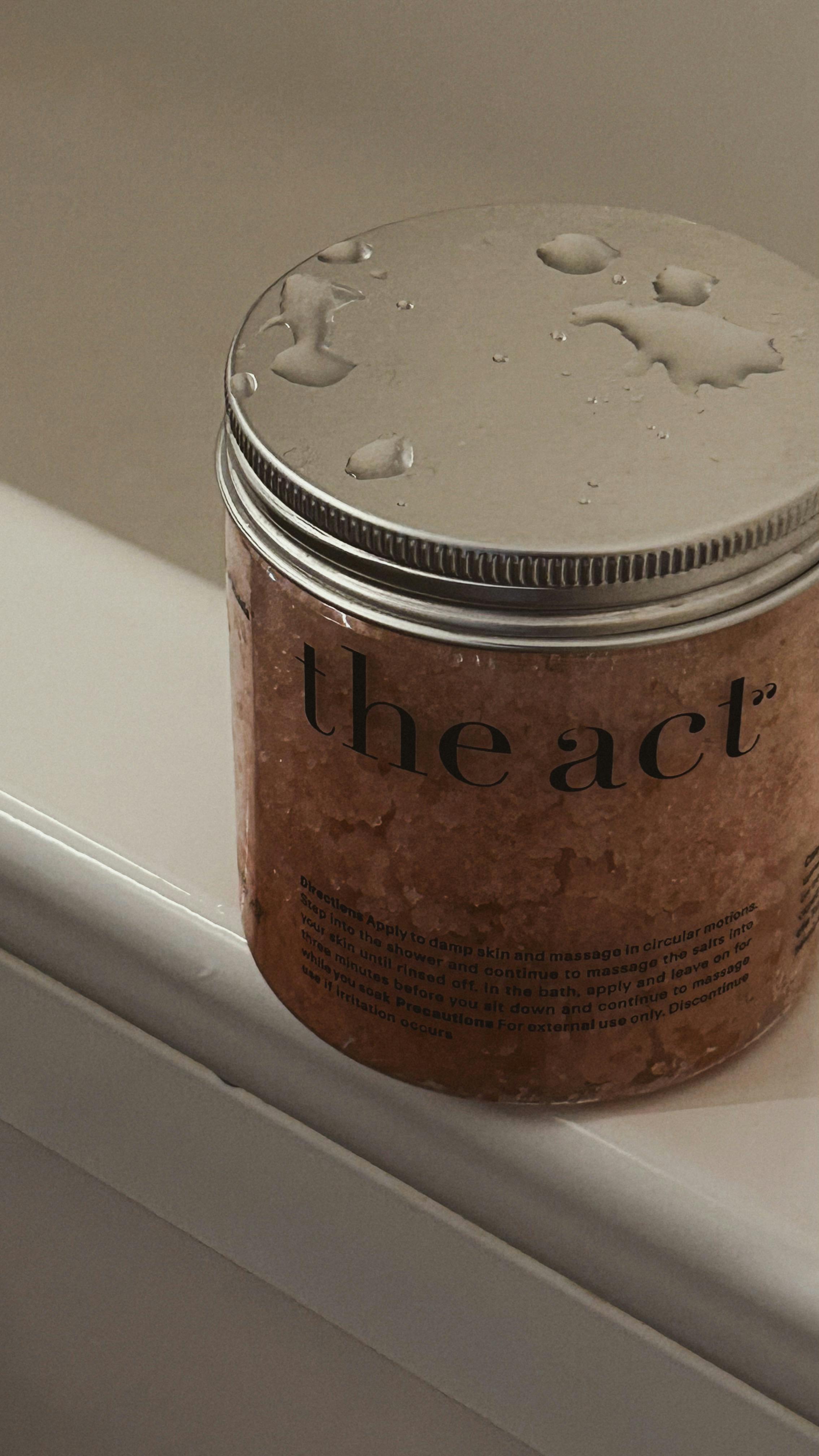
A simple way:
- Add a handful of sea salt or Epsom salt to warm water.
- Soak 10–15 minutes.
- Imagine the water pulling “energetic lint” from your field—tiny clingy bits, not monsters.
- When you drain the tub, picture the heaviness leaving with it.
No tub? A shower works:
- Rub a small pinch of salt between wet hands.
- Sweep hands from shoulders down to feet (front and back), like smoothing fabric.
- Rinse and say: “Release.”
Candle protection: a soft shield you can actually maintain
A “protection ritual” doesn’t have to be intense. The point is to create a clear edge—a gentle perimeter that keeps you from leaking.
Candle protection is especially good when you’re empathic, because it’s visual and calming.
Try this:
- Light a single candle.
- Place one hand over your chest, one on your lower belly.
- Say (out loud if you can): “Only what is for my highest good may reach me.”
- Watch the flame for 30 seconds and imagine it warming your aura, not burning it—like sealing wax.
When you blow it out, you’re not “ending spirituality.” You’re signaling: session closed.
Breathwork: the fastest way to turn the dial down
When your sensitivity is loud, your breath is often shallow. And shallow breath is basically an open invitation for everything to feel urgent.
Use breath like a dimmer switch:
- Inhale through the nose for a comfortable count (about 4).
- Exhale a little longer (about 6).
- Keep your shoulders heavy.
- Let your jaw unclench as if you’re letting go of a secret.
Do five rounds. Then notice: the room is the same, but you are quieter inside it.
Closing rituals after divination: don’t leave the door open
Divination (tarot, pendulum, scrying, even intense intuitive journaling) is a form of intentional opening. The overwhelm often comes afterward, when you walk away without closing the channel.
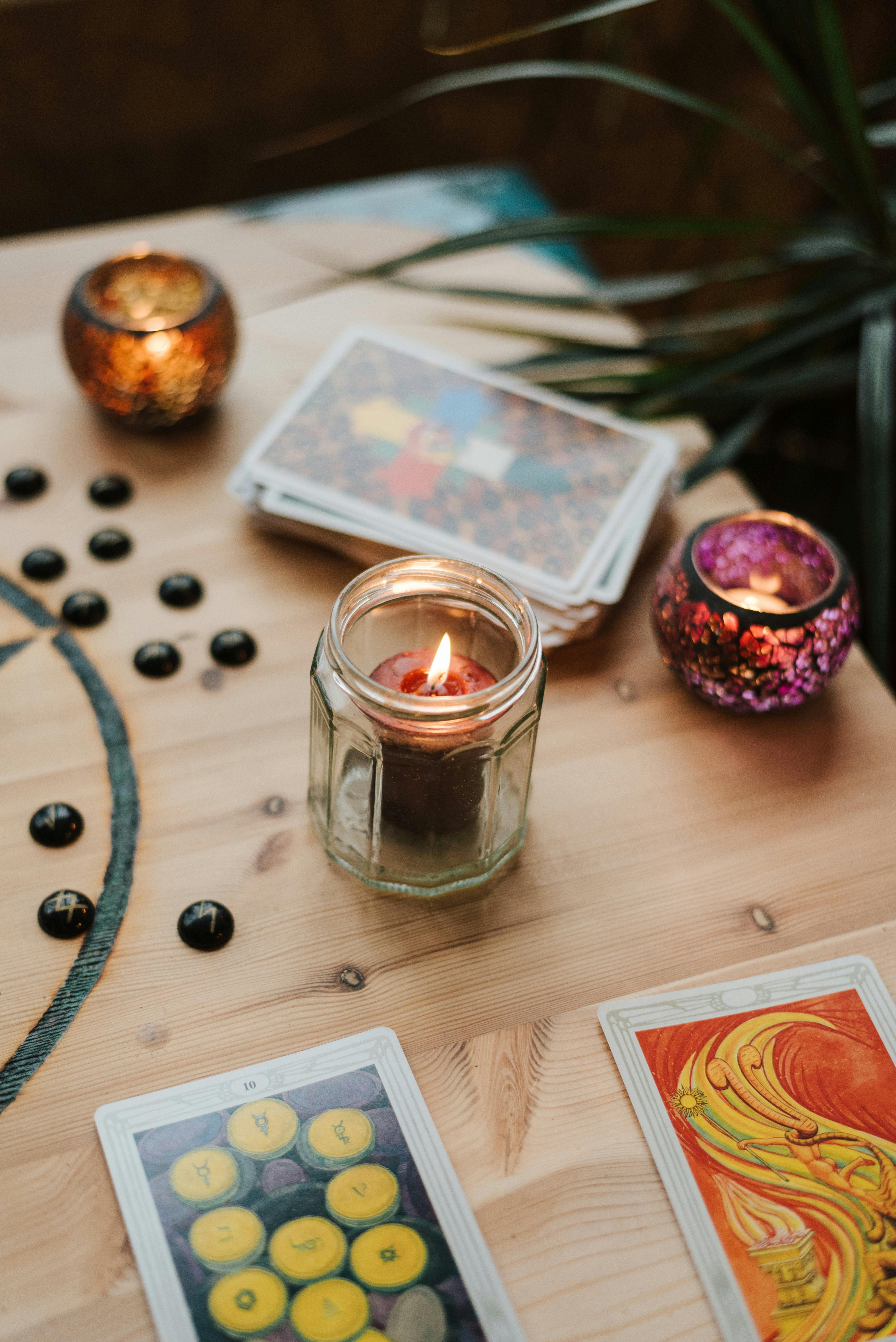
A clean closing ritual can be simple:
- Thank your tools and your intuition: “Thank you. We’re complete.”
- Knock once on the deck (or tap the table) to signal closure.
- Shuffle the cards back into one stack and put them away—out of sight.
- Wash your hands with cool water (an underrated reset).
- Open a window for 30 seconds, even in winter, as a symbolic “air change.”
If you work with guides, you can add:
- “I release all energies and messages not meant to remain with me.”
Then do something ordinary: eat something, fold laundry, step outside. The mundane is not the enemy of the mystical—it’s the home it lives in.
You’re not “too much.” You’re uncontained (and that’s fixable)
The goal isn’t to become less sensitive. It’s to become less porous.
Start small: barefoot on the ground, a pinch of salt, one candle, six minutes of breath, and a closing sentence after your readings. Over time, these become a language your spirit recognizes: we are safe, we are sealed, we are home.
And if you ever want help interpreting what you’re picking up—especially when the meaning feels personal, layered, or emotionally tangled—talking with one of our psychics/advisors can offer a steady mirror without amplifying the noise.


